

 English



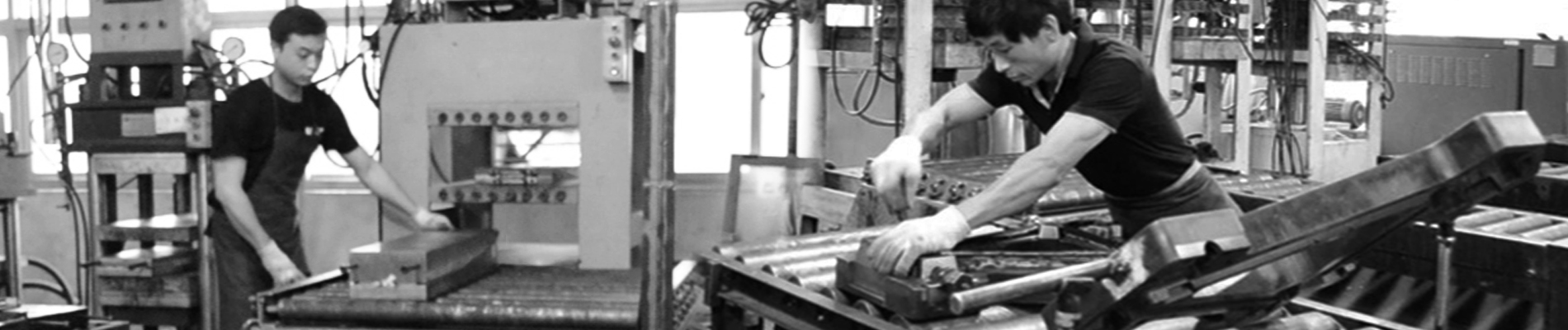
Why Does the Lay-up Process Determine Rim Strength More Than the Carbon Fabric Grade?
Carbon fiber rim strength is determined by the lay-up process rather than the material grade.
While high-modulus carbon fiber (like T700 or T800) provides an excellent foundation, raw carbon fiber only has strength along the direction of the fibers. Without a precise lay-up, even the highest-grade material will fail under real-world cycling stresses.
Here is why the lay-up process is the ultimate decider of rim strength:
1. Fiber Orientation and Load Matching
Anisotropic nature: Carbon fiber is incredibly strong in one direction but weak perpendicular to it.
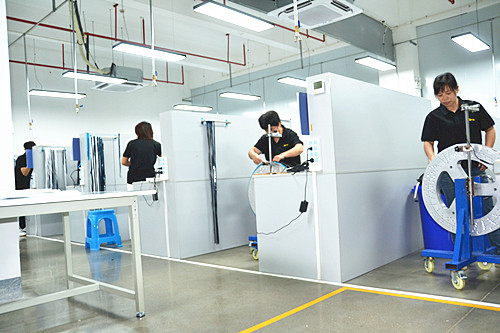
Angle design: Engineers must stack layers at specific angles (like 0°, 45°, and 90°).
Multi-directional strength: This specific sandwiching is what allows the rim to handle spoke tension, cornering loads, and ground impacts simultaneously.
2. Resin-to-Fiber Ratio & Compaction
The binder: Epoxy resin binds the fibers together and transfers the load between them.
Void elimination: Proper lay-up techniques ensure no air bubbles are trapped between layers.
Structural integrity: Trapped air or too much resin creates weak spots where the rim can easily crack or delaminate.
3. Strategic Reinforcement
Zonal stress: Different areas of a bicycle rim experience vastly different forces.
Spoke holes: The lay-up process adds extra reinforcement layers specifically around the nipple holes to prevent pull-through.
Wasted potential: Using high-grade carbon uniformly across the rim without targeted thickness would make the rim either too heavy or dangerously weak in high-stress zones.
Categories
New Blog
 #61,Jiancai Industrial Garden,TonganInd. District, Xiamen City, FuJian Province
Copyright © 2026 Top-Fire Carbon Technology Co., Ltd. All Rights Reserved. Power by

IPv6 network supported


 Facebook
 LinkedIn
 Twitter
 YouTube
 Pinterest